Quick summary
Discover why custom packaging is more than a container for product-based businesses, and how thoughtful packaging can improve presentation, brand consistency, customer experience, and practical product communication.
For a product-based business, packaging is more than a container used to protect an item during storage or delivery. It is often the first physical interaction a customer has with the brand. Before the product is opened, the packaging has already communicated something about quality, attention to detail, positioning, and the type of experience the customer can expect.
This is why custom packaging has become an important part of product presentation for businesses of many sizes. Whether a company sells food products, cosmetics, apparel, gifts, electronics, handmade items, or retail goods, thoughtful packaging can support both practical needs and brand-building goals. The key is to design packaging that works well, looks consistent with the brand, and suits the product instead of adding unnecessary complexity.
What Makes Custom Packaging Different?
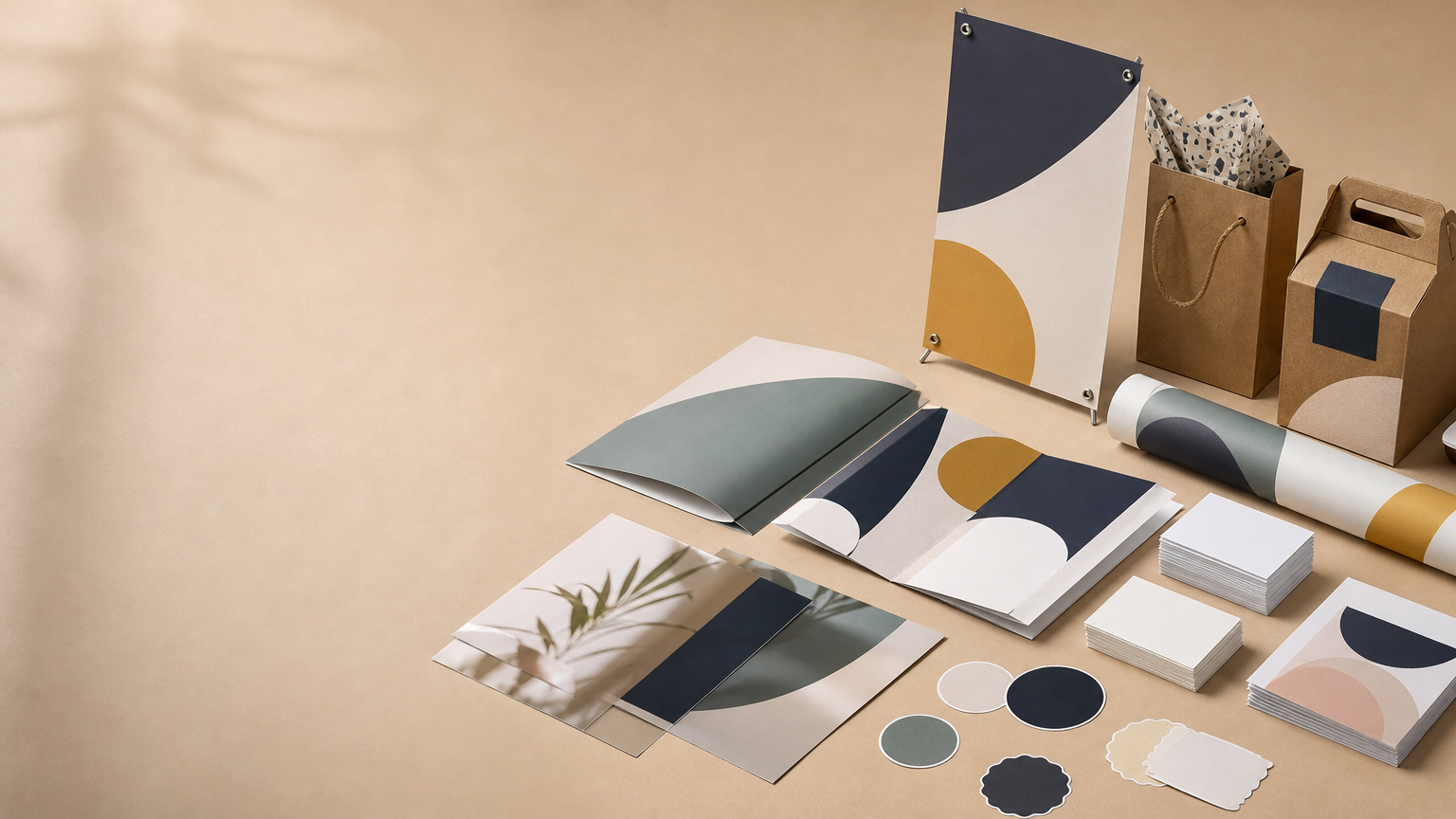
Standard packaging is usually selected from ready-made sizes, shapes, materials, and finishes. It can be useful when speed, low complexity, or basic protection is the main requirement. Custom packaging, on the other hand, is planned around the product and the brand. It may involve a specific box size, printed surface, label layout, sleeve, insert, color system, finish, or combination of these elements.
The goal does not have to be extravagant packaging. Good custom packaging is simply packaging that feels intentional. A compact printed box with clear branding may be more effective than an expensive package with too many decorative elements. The right approach depends on the product, target customer, distribution method, budget, and the impression the business wants to create.
1. Packaging Creates the First Physical Brand Impression
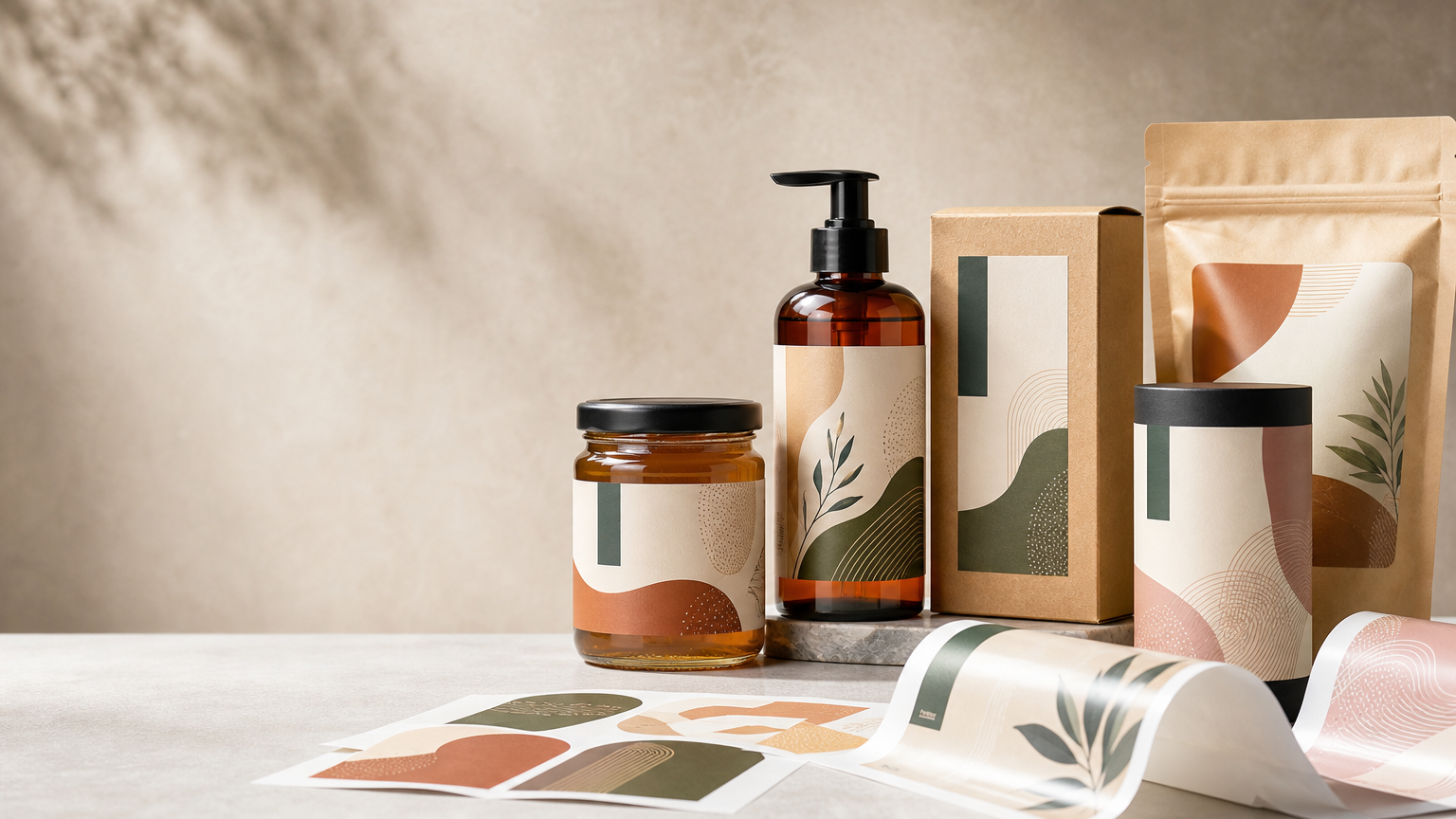
Customers may discover a product through a website, social media post, marketplace listing, or recommendation, but packaging is often where the digital brand becomes physical. Colors, typography, materials, layout, and finishing choices turn the brand identity into something a customer can hold.
Consistent custom packaging helps connect that physical experience with the rest of the brand. If a business uses one style online but sends products in packaging that feels unrelated, the experience can feel disconnected. When the visual language is consistent, the product feels more considered and professional.
This consistency is particularly useful for growing businesses. Repeated use of the same colors, visual elements, and packaging style can make products easier to recognize over time, even before a customer reads the brand name.
2. It Helps Products Look More Distinctive
Many products compete with similar alternatives, especially in retail stores, exhibitions, marketplaces, and social media-driven categories. Packaging can help create a clearer point of difference without changing the product itself.
Distinctive does not necessarily mean bright or complicated. A brand may stand out through a minimal design, carefully selected paper texture, a restrained color palette, a well-placed label, or a clean structural format. The objective is to create a presentation that is easy to recognize and appropriate for the intended market.
For shelf-based products, clarity is especially important. The customer should be able to understand what the product is, identify important information, and recognize the brand without struggling through a crowded design. Attractive packaging works best when it also communicates clearly.
3. Custom Sizing Can Improve Product Presentation
Packaging that is too large can make a product feel lost inside the box, while packaging that is too tight can create practical problems. A more suitable size can improve presentation and make the unboxing experience feel deliberate.
Before deciding a final size, businesses should consider the actual product dimensions as well as inserts, protective material, accessories, instructions, or multiple components that may need to fit inside. It is also useful to think about how the package will be stored, stacked, displayed, or transported.
Accurate sizing may also reduce the need for excessive filler. However, the priority should remain product protection. A visually attractive package is not effective if the product can move, bend, leak, scratch, or get damaged during normal handling.
4. Packaging Supports Product Information and Communication
Product packaging has an important communication role. Depending on the product type and applicable requirements, it may need space for product details, usage information, ingredients, specifications, care instructions, contact information, barcodes, batch information, or other mandatory details.
Custom packaging allows these elements to be planned into the design rather than added as an afterthought. This can make information easier to read and help keep the overall layout organized.
A useful design hierarchy typically gives the most important information the strongest visual priority. Secondary details can be placed in supporting areas without competing with the main product identity. Before printing, businesses should carefully check all text, numbers, legal information, spelling, and product-specific requirements because packaging errors can be costly to correct after production.
5. It Can Improve the Unboxing Experience
Unboxing is not limited to luxury products. Even a simple, well-organized package can create a positive impression. Clean presentation, sensible product placement, an easy opening experience, and consistent visual details can make the purchase feel more complete.
For direct-to-customer businesses, this moment can be particularly valuable because the customer experiences the package without a retail salesperson or store environment. The package itself becomes part of the service experience.
Businesses should avoid adding unnecessary layers only for appearance. A better approach is to focus on purposeful details: appropriate protection, neat placement, easy access to the product, and a design that reinforces the brand.
6. Good Packaging Can Support Perceived Product Value
Customers often use visual and tactile signals to form expectations about a product. A well-finished package can suggest that care has been taken throughout the product experience. Conversely, poor print quality, weak alignment, inconsistent colors, or an unsuitable material can reduce the perceived value of an otherwise good product.
This does not mean every product requires premium finishing. The packaging should match the product's positioning. An everyday value product may benefit from simple, efficient packaging, while a gift or premium item may justify thicker material, special finishes, or a more elaborate opening style.
The most effective choice is one that feels appropriate rather than excessive. Customers are more likely to respond positively when the packaging and the product feel like they belong at the same quality level.
7. Custom Packaging Makes Brand Consistency Easier
As a product range expands, packaging can easily become inconsistent if each item is designed independently. A custom packaging system can establish common rules for color, typography, logo placement, information hierarchy, and finishing.
These rules do not require every package to look identical. Different product variants can use their own colors or visual cues while still following a shared design system. This creates variety without losing brand recognition.
Before creating packaging for many products, it is useful to define a flexible structure that can accommodate future variants. Planning this early can reduce redesign work later and make the overall product family look more organized.
8. Material and Finish Choices Affect Both Look and Function
Material selection should be based on more than appearance. Businesses need to consider product weight, handling, moisture exposure, storage conditions, printing method, folding requirements, and the level of protection needed. The surface should also be suitable for the intended print and finish.
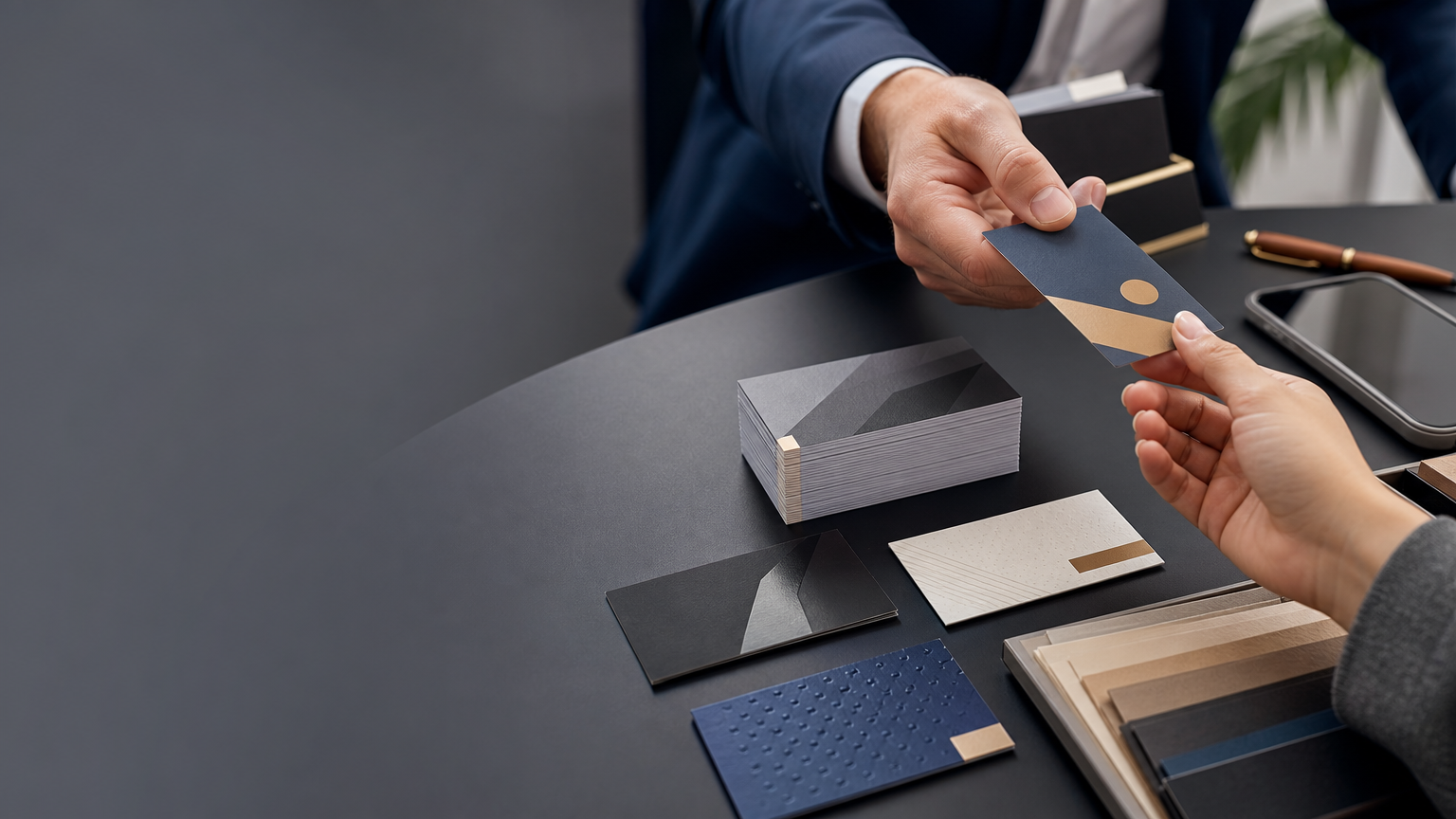
Finishing options such as matte or gloss lamination, texture, spot effects, embossing, foil accents, or other treatments can change the character of the package. They should be used selectively. A finish works best when it supports the design concept or highlights an important element rather than being added simply because it is available.
Before choosing a material or finish, request suitable samples where possible and evaluate them under real lighting and handling conditions. A material that looks good on screen may feel very different in physical form.
9. Packaging Should Be Designed for the Entire Customer Journey
It is easy to focus only on how a package looks in a mockup. In practice, it moves through several stages: packing, storage, transport, retail display or delivery, customer opening, and sometimes reuse or disposal.
A practical packaging design considers each of these stages. For example, a beautiful structure that takes too long to assemble may create problems during packing. A surface that marks easily may look poor after transport. A design that hides essential information may create confusion for customers.
Testing the package in realistic conditions before committing to a larger quantity can reveal issues that are not visible in a digital design.
10. Custom Packaging Can Grow Along with the Business
Small businesses do not need to introduce every packaging feature at once. A brand can begin with a simple printed label, sleeve, sticker, or branded box and refine the system as product volume and requirements grow.
This staged approach helps businesses learn what works for their customers and operations before investing in more complex structures. The most important part is consistency and planning. Even a simple solution can feel professional when the design is clear, the print is accurate, and the materials suit the product.
Practical Checklist Before Finalizing Custom Packaging
Before approving a packaging design for print, review the following points carefully:
- Product fit: Confirm final dimensions using the actual product, not only estimated measurements.
- Protection: Make sure the package can handle normal storage, packing, and transport conditions.
- Brand consistency: Check colors, typography, visual style, and placement against other brand materials.
- Information accuracy: Proofread all product details, contact information, barcodes, instructions, and required declarations.
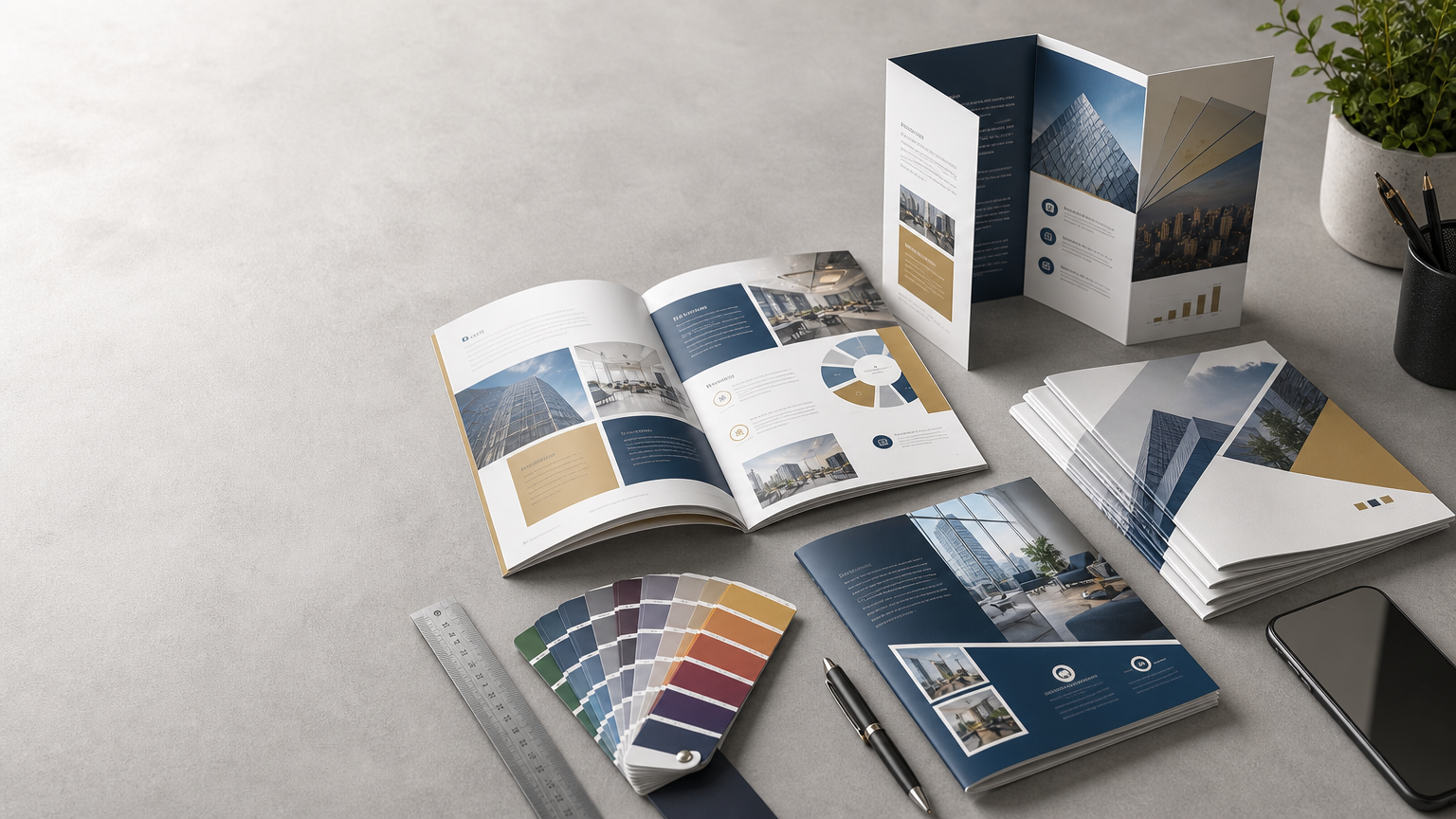
- Print readiness: Use suitable resolution, color settings, bleed, margins, and dieline specifications provided for production.
- Material suitability: Select material based on function as well as appearance.
- Finishing: Use special finishes where they add meaningful visual or tactile value.
- Prototype or sample: Review a physical sample when practical before moving to the final quantity.
Common Packaging Mistakes to Avoid
One common mistake is trying to communicate too much on the front panel. When every message is treated as important, the design loses hierarchy. Another is choosing packaging primarily from a visual mockup without considering how it will be produced and handled.
Businesses should also avoid making important color decisions only from a phone or laptop screen. Printed colors and materials can differ from what appears on a display. Similarly, very small text, thin lines, complex effects, and tight margins may not reproduce as expected on every material or process.
Finally, avoid copying packaging trends without considering whether they suit the product. A design should serve the brand and customer first. Trends can provide inspiration, but long-term consistency is usually more valuable than frequent redesigns.
Final Thoughts
Custom packaging matters because it connects product protection, communication, presentation, and branding in one physical touchpoint. When it is planned carefully, packaging can make a product easier to recognize, improve the customer's experience, and create a more consistent impression of the business.
The best custom packaging is not necessarily the most expensive or complicated. It is the packaging that fits the product correctly, communicates clearly, supports the brand, and performs well throughout its real-world journey. Before finalizing a design, give equal attention to structure, material, print quality, information, and usability. That balanced approach helps turn packaging from a simple container into a useful part of the overall product experience.